Pay Dispute Resolution Workflow for 1099 Delivery Contractors
A structured workflow prevents pay disputes from becoming contractor turnover or legal problems.

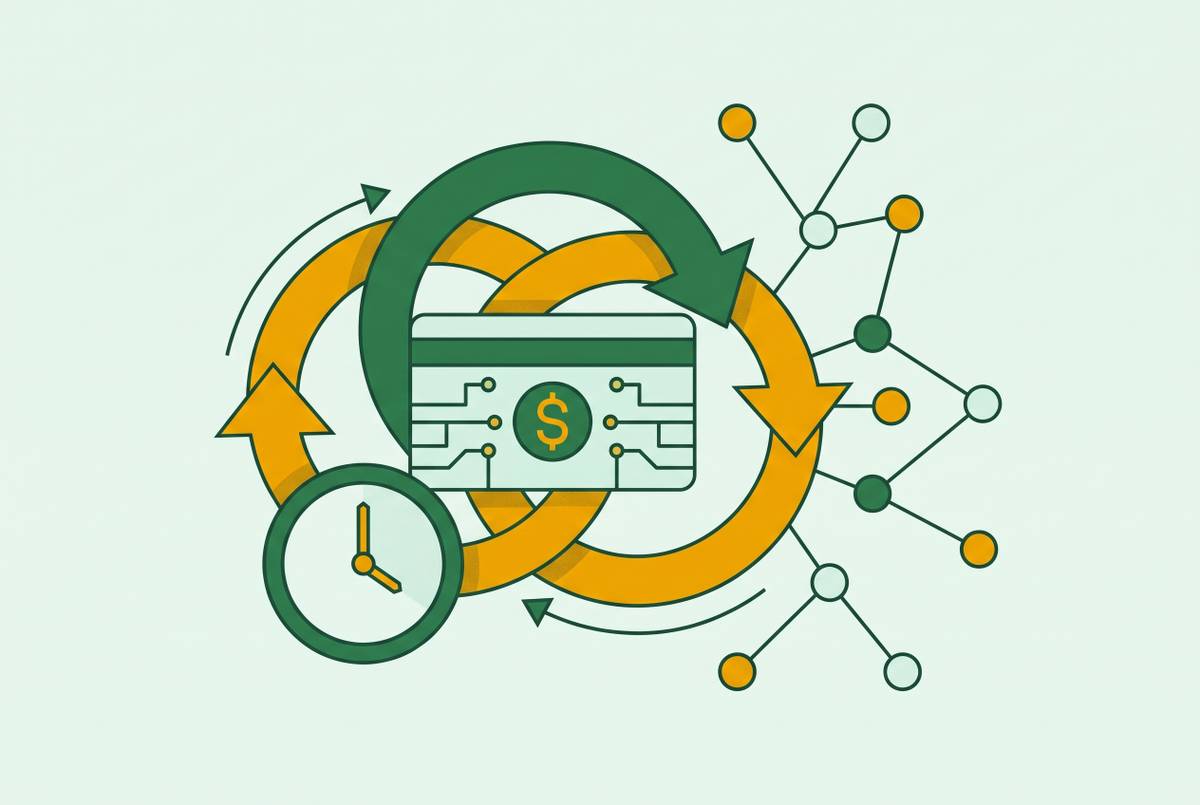
Pay disputes in 1099 delivery networks are predictable, and many are preventable. A defined resolution workflow connects written payment terms, clear records, fast responses, and documented escalation before a pay question becomes a contractor-retention or legal problem. The goal is to make the payment system explainable from the first delivery through a regulatory review.
Why pay disputes in 1099 delivery networks keep happening despite clear contracts
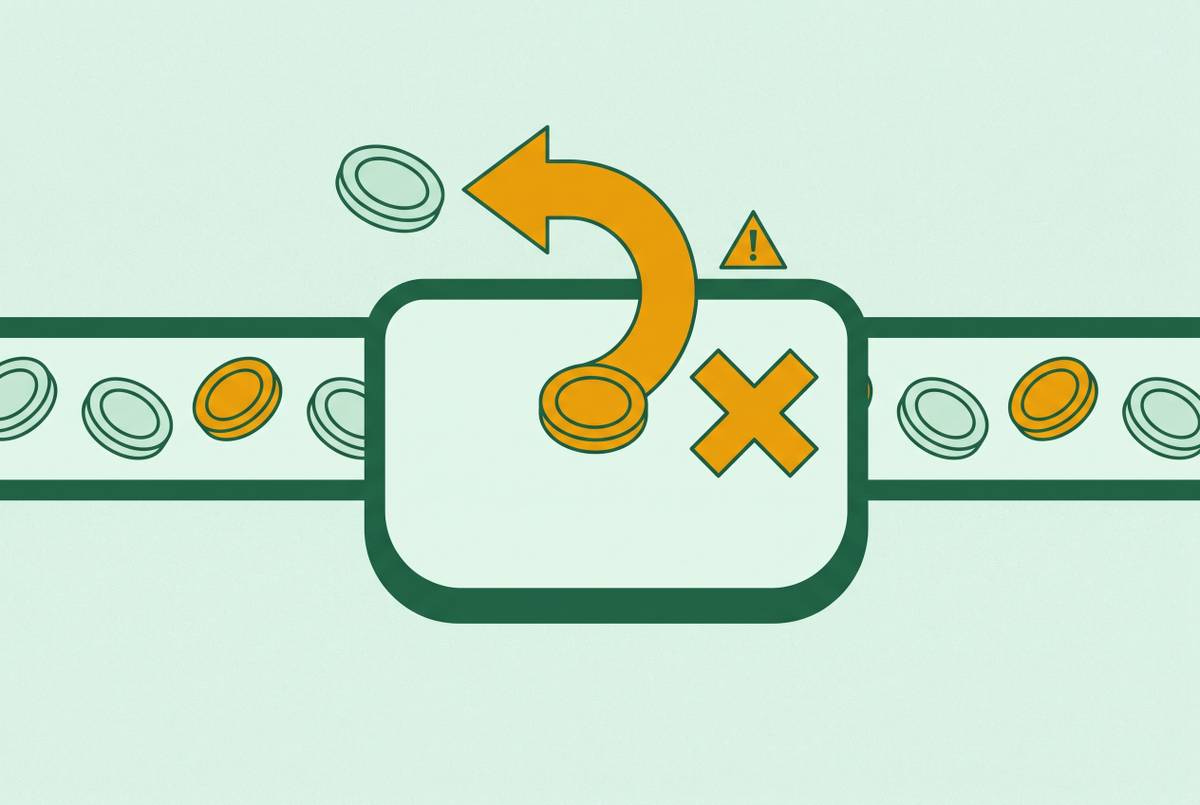
A clear contract cannot explain a payment if the systems that calculate, record, and communicate it disagree. That structural gap, rather than dishonesty, is the main source of pay disputes in 1099 delivery networks. The amount may be wrong because of how mileage, stop counts, and fuel adjustments are worked out. Chargebacks, cargo claims, and insurance premiums may be left out or applied in the wrong way. Even when the payment is right, a confusing remittance can leave the contractor unable to tell why.
Tax reporting adds another point of failure because the amount reported can differ from what a contractor believes they earned. Over-reporting and duplicate filings create erroneous income records that require corrected returns. The 1099-NEC reporting threshold changed for tax year 2026, so using the wrong year's threshold can lead to disputes over filings and trouble with the IRS. Card and third-party settlement entity payments belong on 1099-K from the payment processor, rather than on 1099-NEC from the operator. Mixing up which form to use can make the same income appear twice.
These failures arrive at different times, but contractors encounter them as one pay experience. A misposted deduction affects today's payment, while a reporting error may surface months later. Both raise the same question about whether the operator's records can be trusted. In last-mile delivery, where workforce turnover is high, that doubt can become a retention problem before it becomes a legal one.
What the payment agreement must establish before the first delivery runs
The first preventive layer is an agreement that leaves little room to argue about how pay should work. Write down the exact amounts or rate formulas, including per-stop rates, mileage rates, and how the fuel adjustment is worked out. Specify invoice submission deadlines, payment cycle dates, accepted payment methods, and processing timeframes. Include rules for late payment and clear steps for resolving disputes. These terms establish the baseline against which an actual payment can be tested.
Deductions need the same precision as earnings. Itemize chargebacks, cargo claims, and insurance premium deductions, with the conditions under which each applies. A deduction buried in an addendum the contractor never signed is not a sound foundation for resolving a complaint. The agreement should make the authorization visible before the deduction appears on a remittance. Otherwise, the first explanation of the rule may arrive with the first argument about it.
Tax documentation belongs at onboarding too. Get a filled-out, signed W-9 before making any payment, and use TIN validation against IRS records to prevent the B-Notice backup-withholding cascade. The tax classification on that form helps show whether a 1099-NEC must be filed, though S-corps and C-corps still need one for payments for legal or medical services. Together, the signed payment terms and tax documentation establish the starting record for everything that follows.
Building the payment record system that makes disputes provable or disprovable in minutes
The agreement establishes what should happen, but the payment record must show what did happen. Centralized reporting and audit logs connect those two accounts. Automated mass-payout systems can timestamp each payment, tie it to a contractor profile, and tag it to the relevant payment cycle. An audit trail should not require an archaeological expedition through the ledger.
Organize every dollar paid by payee and by month throughout the year to avoid reconstructing it in January. With that structure, a contractor questioning a Q3 payment can receive the exact remittance record within minutes. The remittance shows what was paid, but it does not by itself establish what was earned. Delivery completion records, route logs, and stop-count confirmations show what work was done. Scope-change approvals explain why the work changed and why that changed the basis for payment.
Keep the agreement trail, messages that show acceptance, and the history of payments with those records. Prior payments under the same terms can help establish how the agreement was applied, while a delivery confirmation connects the amount to completed work. Operators need that evidence on their side just as contractors need it on theirs. Automated TIN matching and automated remittance records address different problems, but both belong in the same centralized system. One reduces reporting failures, while the other prevents a straightforward pay question from lingering because nobody can find the answer.
The first-contact resolution layer: how to handle a dispute before it escalates
When a contractor raises a pay question, begin with a written acknowledgment. State the amount in dispute and the payment cycle it belongs to, and say when to expect a response. A defined service-level agreement makes that promise predictable, with same business day acknowledgment signaling that the claim is being taken seriously. This first response need not decide the dispute. It needs to establish that the question has reached someone who will answer it.
Next, ask the contractor to state the specific issue in writing, including what appears incorrect, which records support that view, and what correction they want. That request turns a general complaint into a claim the team can examine. Respond with the relevant audit log entry, remittance record, or delivery confirmation. For an unexpected cargo chargeback or insurance premium deduction, show both the authorizing contract clause and the transaction that triggered it. The record should carry the explanation.
If the contractor is correct, correct the payment immediately and document the correction. A partial correction or an unexplained delay can create a second dispute before the first is closed. If the contractor offers to accept partial payment as settlement, state in writing whether it settles the full dispute or only the partial amount. If that is left unclear, the contractor may still claim the balance. Fast, documented resolution is therefore retention infrastructure as well as payment administration.
The escalation ladder: when first contact fails and what each next step requires
An unresolved claim needs a defined next step. The first written follow-up should state the specific amount, the work or period it covers, and a response deadline. Some disputes resolve here because the contractor needed confirmation that the claim was received. Document that follow-up before moving further. At every stage, confirm promises to pay or accept terms in writing before acting on them.
If the disagreement continues, move to a formal written demand or an operator-side response to the contractor's demand. State the debt or counterclaim, its contractual basis, the deadline, and the next step if it remains unresolved. The next review belongs with a senior operations contact or compliance lead who can authorize a corrective payment or deny the claim with documented reasons. At this stage, routine escalation can go ahead without legal counsel.
When the operator owes payment and the contractor is the claimant, small claims court is the cheapest court option if the amount fits the applicable state's limit. Larger or more complex claims may require a civil breach-of-contract action. If the contractor also alleges employee status to seek wage-claim remedies, engage legal counsel immediately because the legal framework changes. Courts expect proof of the agreement, work performed, amount due, and efforts to resolve the dispute. The earlier steps build that record, and skipping them weakens the operator's position even when its payment calculation is correct.
How misclassification risk amplifies an unresolved pay dispute into a regulatory event
An unresolved payment dispute can bring the working relationship itself under scrutiny. If a contractor argues that the relationship is actually employment, the issue is no longer limited to what the delivery agreement promised. The dispute becomes a question about which legal framework applies to the work. That is the amplification risk.
Classification is not a one-time checkbox because local law and the actual working relationship can change. A contractor engaged for limited routes may end up working full-time hours under direct supervision. That shift may cross the classification line without the operator noticing. The signed agreement remains relevant, but it cannot stand in for the facts of the relationship.
A documented payment workflow helps preserve evidence of how the relationship is managed. Written agreements, audit logs, and formal escalation records can support an account of arm's-length dealings, which is part of the distinction under the economic-reality test. The paper trail helps show how the relationship works, but the classification still has to be correct. Continuous review of the volume and nature of work therefore belongs with payment compliance. Resolving an amount dispute and monitoring classification are connected responsibilities, but they answer different questions.
The payment infrastructure choices that prevent disputes from forming in the first place
The best dispute workflow is still a fallback for payments that need explanation or correction. A meaningful share of disputes concern payment timing and confirmation. Real-time payment rails that clearly confirm payment can remove much of that doubt. Reliable scheduling matters too, because contractors need to know when to expect payment.
ACH is reliable for most contractor payments, while RTP and FedNow deliver funds instantly for contractors who need same-day pay. Push-to-card through Visa Direct and Mastercard Send moves funds to a debit card in real time, around the clock, including weekends. The platform's actual processing practices matter as much as the rail it offers. Some platforms that advertise instant pay batch transactions or limit when funds can be withdrawn. “Instant” does not become more convincing because it appears in larger type.
Structured mass-payout schedules reduce the uncertainty that comes with ad hoc disbursements. When contractors know when each payment cycle will come, fewer questions take up back-office time and then turn into formal disputes. Bulk insurance purchasing addresses a related source of friction by consolidating occupational accident and commercial auto coverage, reducing per-contractor cost while keeping coverage consistent and documented. Coverage gaps can become payment-adjacent disputes when an injured contractor discovers that a policy did not cover the period they expected. Payment infrastructure therefore includes both the movement of money and the clarity of the obligations attached to it.
Building a dispute resolution workflow that doubles as a compliance record
The complete workflow begins before engagement with signed payment terms and a completed W-9 with TIN validation before the first payment. It continues through scheduled mass payouts, with real-time or same-day rails available for corrections and time-sensitive payments. A centralized audit log keeps each payment connected to the contractor and payment cycle. Sorting that record by payee each month keeps it up to date.
Dispute intake then starts the documented response sequence. A timely written acknowledgment and a specific written claim give the team a defined issue to investigate. First-contact resolution produces the relevant evidence and either an immediate correction or a written explanation of why the payment was correct. Unresolved claims move through formal demand or response, senior review, and the appropriate legal channel. A risk over classification changes that route and calls for legal counsel right away.
Each step produces a document that serves both dispute resolution and compliance. The same paper trail that answers a contractor's payment question can help demonstrate arm's-length management to a DOL investigator. Continuous classification monitoring keeps that record connected to how the work actually evolves more frequently than an annual audit. Bringing onboarding, compliance monitoring, credentialing, and payments into a single platform lets automation connect the workflow without adding manual overhead.