Occupational Accident Coverage Structures That Hold Up Across High-Turnover 1099 and App-Based Driver Populations
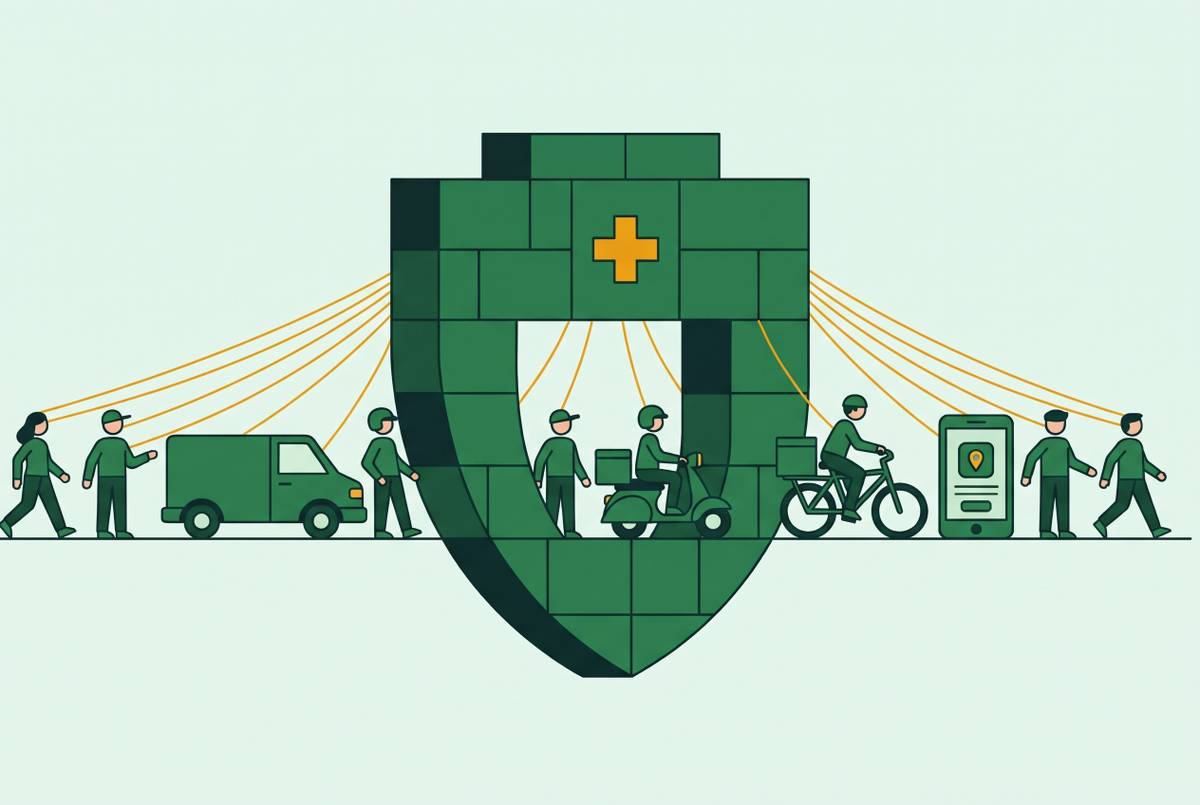
Dispatch-tied enrollment and matched benefits protect platforms when rosters turn over daily.
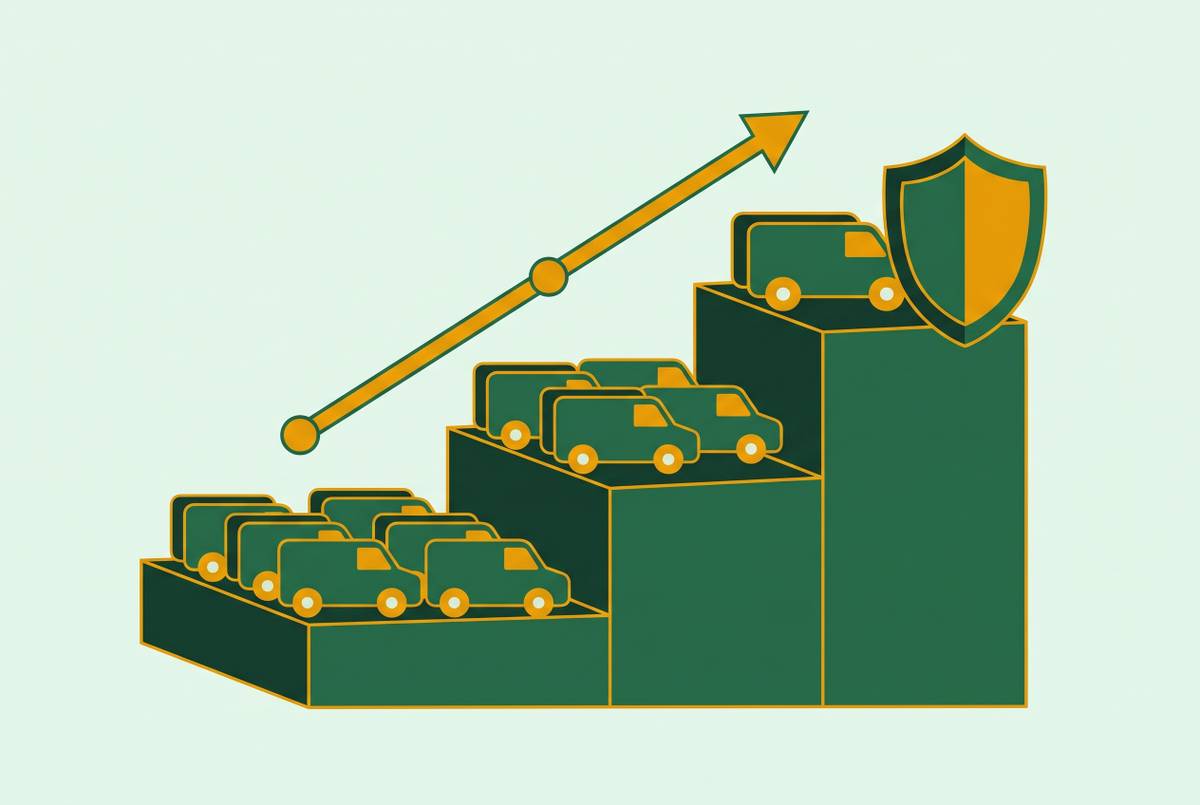
Strategic documentation and driver stability unlock group rates before scaling to 500 drivers.
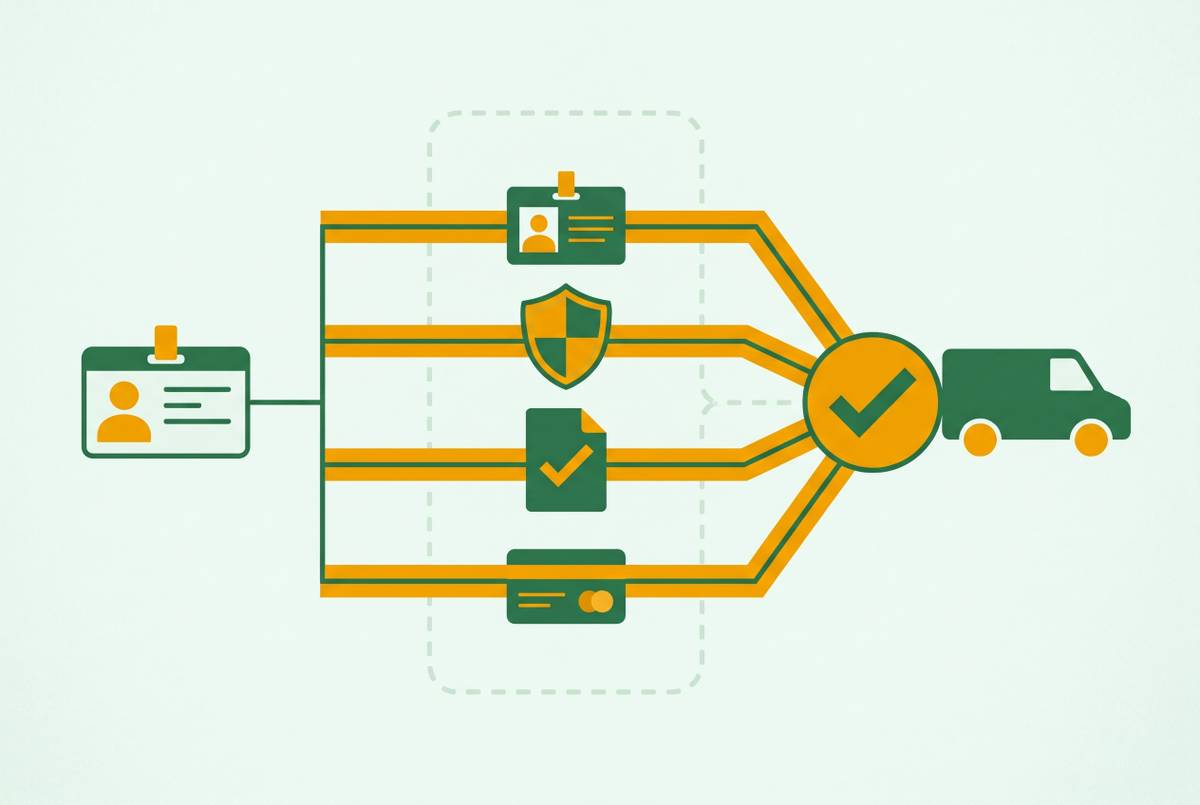
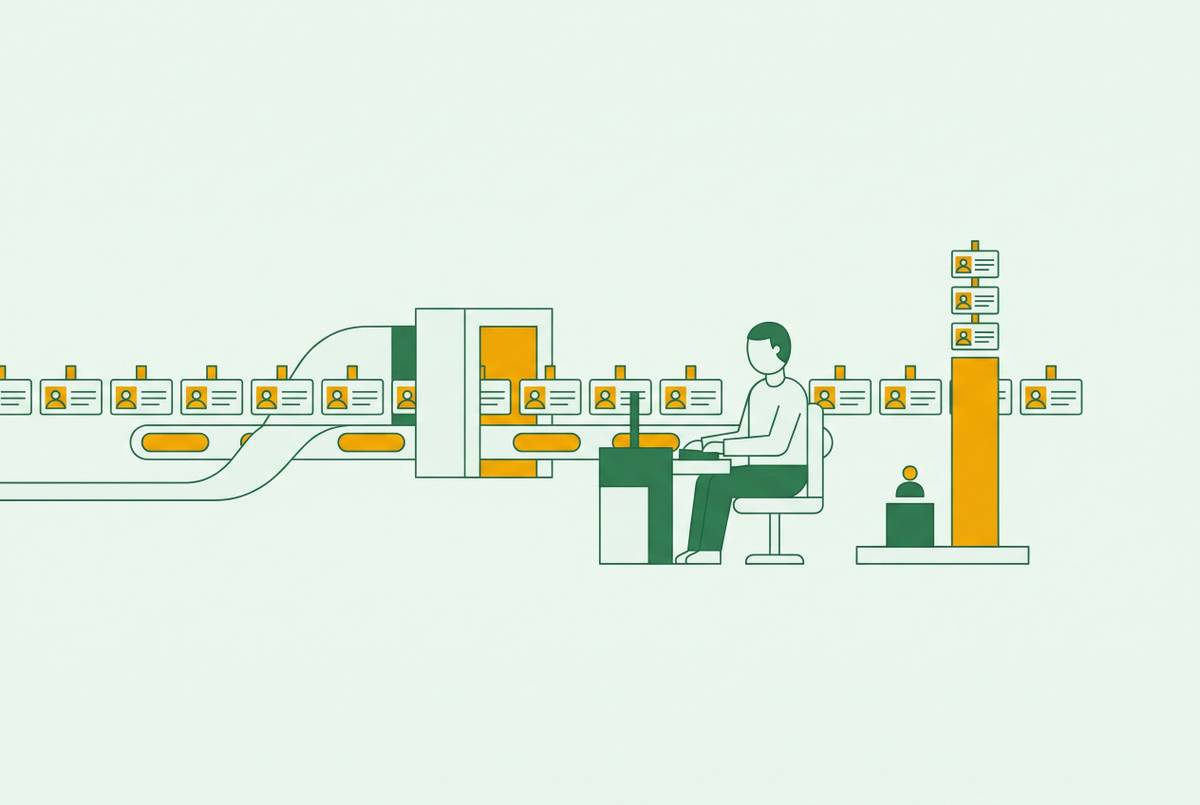
Parallel workflows let last-mile operators activate 1099 drivers in days instead of weeks.
Prepare contractors before peak volume hits to avoid activation delays.
Delivery networks need documented classification reasoning before IRS audits arrive.
Real-time monitoring across state lines catches compliance drift before audits do.
Platform must map state-specific classification rules and monitor compliance in real time.
Software alone cannot fix misclassification risk or replace complete, current driver records.
Fleet size, authority age, and loss history determine your occupational accident insurance rate.
Parallel credentialing and self-serve activation eliminate manual work as contractor networks grow.
Casual dispatcher language can undermine independent contractor status in legal disputes.
Companies must collect W-9s before contractor payments to avoid mandatory backup withholding.